Kalpitiya is better known for kiteboarding and dolphin watching, but a day trip to Wilpattu National Park deserves a spot on your list. Wilpattu National Park is home to leopards, sloth bears, and elephants, and it is Sri Lanka's largest national park. This post is about the park itself: for timings, park fees, and how we arrange the trip, see our Wilpattu safari day trip from Kalpitiya page.
The name "Wilpattu" describes the landscape of the area: "Willu" stands for natural lakes in Tamil, and "pathu" stands for ten in Tamil. The park is known for its high leopard population, with over 40 known leopards. Other wildlife found in the park includes Sri Lankan sloth bears, crocodiles, spotted deer, and elephants, as well as birds including Lesser Adjutants, Painted Storks, Spoonbills, Shikras, and Crested Hawk Eagles.
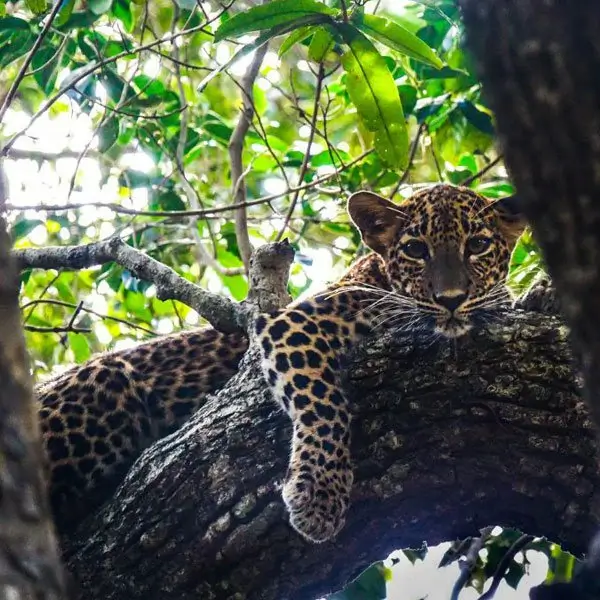
In 2013, Wilpattu was listed under the RAMSAR convention. The park has 205 water bodies inside its perimeter, natural and man-made. Elephants here tend to be bigger than the Sri Lankan average; the usual explanation is the nutrient-rich grasses growing in the villus.
The Wilpattu Ramsar site extends beyond the national park to the ocean front, taking in the coastal and marine habitats of Kalpitiya: seagrass beds, mangroves, salt marshes, swamps, and floodplain forests. The site once supported an agricultural civilisation, and 68 archaeologically important sites have been identified.
Getting There from Valampuri
The park is remote, so it gets fewer visitors and the tracks stay quiet. Visitors can access 25% of the park, but since this is a large park, it may mean less frequent sightings. The park is open all year, and safaris run in every month.
Overland: You can take a minivan or a private car through the towns closest to the park entrance, such as Nochchiyagama, Puttalam, and Anuradhapura. The ride takes about two hours.
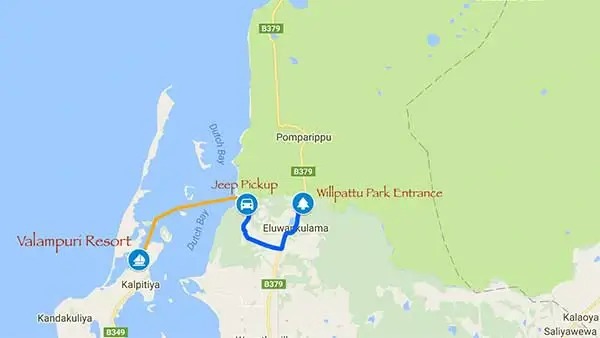
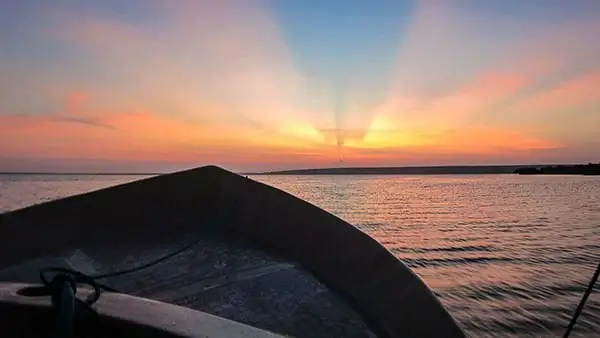
You can also reach the park by boat from our resort to another eco-resort close to the park entrance. This option is the fastest, taking 30 to 49 minutes. However, be aware that the ride might be bumpy if the wind picks up and generates swells in Dutch Bay. Usually, the early morning rides are silky smooth!
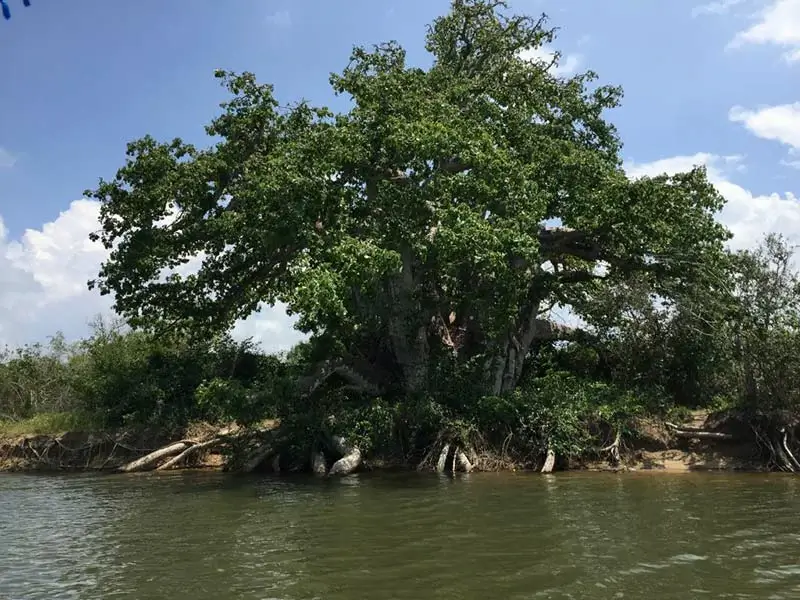
Another benefit of the boat option is that you can visit "Ali Gahaa," or the Elephant Tree, which is not native to Sri Lanka. This is, in fact, a large baobab many centuries old, with old wrinkled bark resembling the skin of an elephant. The boat takes you through the green mangroves and past small fishing huts that are worth checking out if you are nearby.
In the Park
- Opens from 6 am to 6 pm
- Only jeeps can enter the park
- Safaris are split into morning/afternoon, or full-day packages
- The entrance is somewhat remote, so reserve your seat in advance to ensure jeep availability
- Maximum of 50 tickets are available per day, and you can reserve your place online
If possible, we recommend spending a full day at the park as it allows you more time to explore and increases your chances of spotting the elusive wildlife. However, if you are short on time, a morning safari should be your first choice as animals tend to be more active during the cooler morning hours.
Half-day visitors sometimes leave without a leopard sighting, so if a leopard is the reason you're going, book the full day.
Plan your Wilpattu safari from Valampuri
We don't offer tours for people who are not staying at our resort: talk to us about adding a Wilpattu safari day trip to your stay.
Ask Us to Plan