Leopards
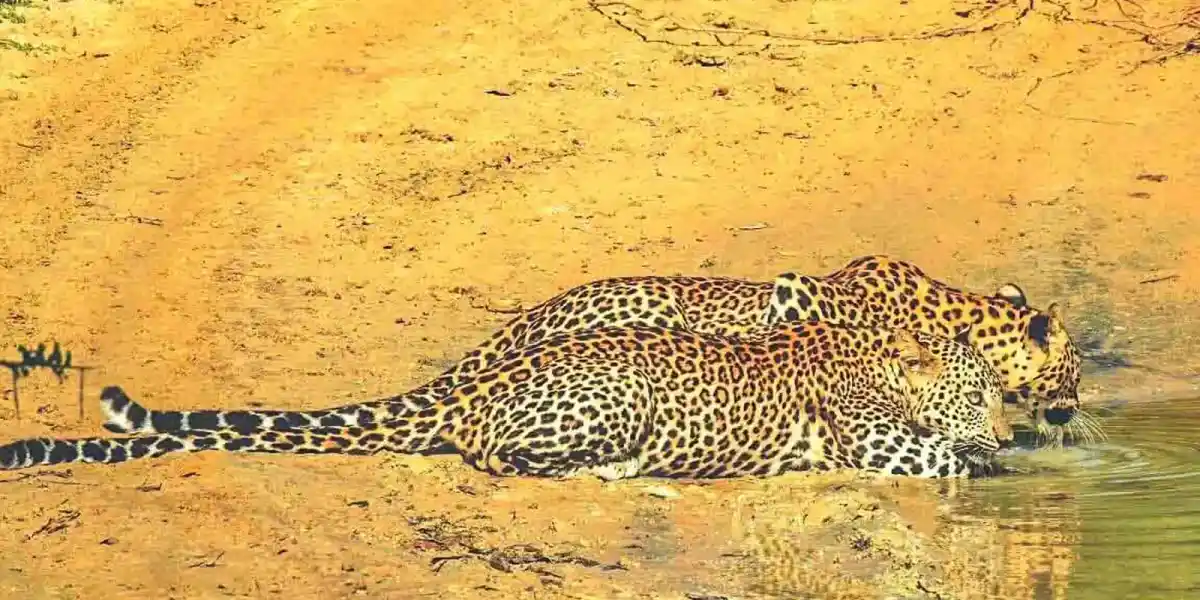
Wilpattu is one of Sri Lanka's most important leopard habitats. The open villus and forest edges provide good visibility for sightings, especially in the early morning.
Home / Experiences
Sri Lanka's largest national park is 2 hours from Kalpitiya. A full-day jeep safari with leopards, sloth bears, elephants, crocodiles, and ancient natural lakes, arranged from Valampuri Resort.
Quick Answer
Wilpattu National Park is about 100 km (around 2 hours) from Kalpitiya by road, or 30–49 minutes by boat. Valampuri Resort arranges the full day: transport by road or boat, safari jeep, naturalist guide, park entrance tickets, and return transfer, leaving around 5:00–6:00 am. Wilpattu restricts daily jeep numbers, so book ahead in peak season (December–March).
Wildlife Day Trip · Kalpitiya to Wilpattu
Kalpitiya to Wilpattu National Park is approximately 100 km by road, taking around 2 hours depending on traffic and the route taken. The most common route goes south from Kalpitiya towards Puttalam, then east towards the Wilpattu main entrance at Hunuwilgama.
Valampuri Resort arranges the full day trip: transport from the resort, a certified safari jeep and naturalist guide inside the park, park entrance tickets, and return transfer. You leave early, typically around 5:00–6:00 am, to arrive at the park gates for opening and maximise your time inside during the cool morning hours when wildlife is most active.
"We saw two leopards and a sloth bear. Valampuri arranged everything, pickup at 4:30 am, back by sunset. Incredible day." — Andrea M., Italy, Booking.com review ★★★★★
About Wilpattu
Wilpattu National Park covers over 1,300 km² of dry-zone forest, scrub, and grassland in the North Western Province of Sri Lanka. It is Sri Lanka's largest national park and one of its oldest: the name means "land of lakes" in Sinhala, referring to the natural rain-fed lakes called villus that dot the landscape and attract wildlife. For a closer look at what's inside the park (including the 30–49 minute boat route from Valampuri and the centuries-old Ali Gahaa baobab tree), read our Wilpattu visit story on the blog.
Wilpattu is one of Sri Lanka's most important leopard habitats. The open villus and forest edges provide good visibility for sightings, especially in the early morning.
Wilpattu has a healthy sloth bear population. Sightings are common, particularly near fruit-bearing trees and at dusk, but morning drives also produce encounters.
Elephant herds move through the park seasonally. They are often seen near the villus in the early morning hours and at waterholes during the dry season.
Mugger crocodiles are seen sunning on the banks of the villus. They are a reliable sighting at most major lakes inside the park.
Spotted deer, sambar deer, water buffalo, wild boar, and golden jackals are all commonly sighted throughout a typical safari drive.
Wilpattu supports over 200 bird species including painted storks, grey herons, kingfishers, sea eagles, and several rare dry-zone forest species valued by birders.
Planning Your Visit
Park fees for foreign visitors currently include a conservation levy, vehicle fee, and tracker/guide charges. Fees are paid in USD or equivalent at the gate. Approximate costs for foreign tourists:
Wilpattu is open year-round, and safaris run in every month. The park can be visited from Kalpitiya any time of year; we recommend combining it with a rest day from kitesurfing.
5:00 am: depart Valampuri
6:30–7:00 am: arrive at Wilpattu gate
7:00 am–1:00 pm: safari inside the park
1:00 pm: lunch near the park
3:00–4:00 pm: return to Valampuri
The Villus
Wilpattu's defining feature is its villus: natural, rain-filled lakes scattered across the park. Unlike other Sri Lankan parks built around rivers, Wilpattu's water system is entirely rain-fed, creating isolated pockets of water that concentrate wildlife in a very photogenic setting. Seeing a leopard or elephant reflected in a still villu at dawn is the experience most visitors remember most.
Common Questions
Wilpattu National Park is approximately 100 km from Kalpitiya, taking around 2 hours by road, or 30–49 minutes by boat. The route goes south towards Puttalam and then east to the Hunuwilgama main entrance of Wilpattu. Valampuri Resort arranges transport from the resort directly to the park gate.
Yes, Wilpattu is one of the most popular day trips from Kalpitiya. You leave early (around 5:00–6:00 am), do a full morning safari inside the park, have lunch near the entrance, and return to Kalpitiya by mid to late afternoon. It fits comfortably into a single day without having to change accommodation.
The most practical way from Kalpitiya is by private vehicle or resort-arranged transport. Public buses to the Wilpattu area are slow and indirect. Valampuri Resort organises the full trip: transfer from the resort, a safari jeep with a licensed tracker guide inside the park, and return transport. This is the simplest and most reliable option for guests staying in Kalpitiya.
Wilpattu is best known for leopards and sloth bears, but the park also holds elephants, spotted deer, sambar deer, water buffalo, wild boar, mugger crocodiles, golden jackals, and over 200 bird species. The natural villus (lakes) are particularly good for seeing multiple species gathered at the water's edge.
Foreign visitor fees at Wilpattu currently include a conservation levy and vehicle fees, totalling approximately USD 15–25 per adult plus jeep charges. Fees are reviewed periodically by the Department of Wildlife Conservation. Valampuri Resort confirms current costs when arranging your booking.
Wilpattu and Yala offer different experiences. Yala has more wildlife density and higher leopard sighting rates, but also significantly more tourists. Wilpattu is larger, quieter, more forested, and has a more remote wilderness feel; many visitors prefer the atmosphere. From Kalpitiya, Wilpattu is also by far the more accessible option at 2 hours versus 6+ hours to Yala.
Wilpattu is open year-round, and safaris run in every month. December to March coincides with Kalpitiya's dolphin season and the winter kite season, so many guests combine the two. The inter-monsoon months (October–November) can see more rain but the park remains accessible.
Yes, especially during peak season (December to March). Wilpattu limits the number of vehicles allowed in per day, and jeeps with licensed trackers can fill up days ahead. Valampuri Resort handles this booking as part of the safari arrangement. We strongly recommend booking at least 2–3 days ahead during busy periods.
More to do
Early morning boat trips to see spinner dolphin pods off the Kalpitiya coast (Nov–Apr).
Explore Kalpitiya's mangroves, birdlife, and fishing villages by boat.
Full activity guide for Kalpitiya: snorkeling, kayaking, whale watching and more.
Learn or rent at one of Asia's best kite destinations, right from Valampuri.
Tell us your dates and group size. We'll arrange transport, jeep, guide, and park tickets, so you can just show up and enjoy it.