Learning to kitesurf in Sri Lanka sounds exciting.
Wind, warm water, a board under your feet, and that slightly wild feeling of being pulled across a lagoon by a kite.
But to be honest, most beginners have the same quiet questions before they book: Is it too hard? Do I need to be super fit? What if my partner doesn't kite? Will I spend my whole holiday falling in the water?
Good questions.
The honest answer is this: Sri Lanka can be one of the best places to learn kitesurfing, especially around Kalpitiya, if you choose the right spot, season, and school. Kalpitiya is known for flat lagoon water, steady seasonal wind, and beginner-friendly kite conditions, which makes it much easier to start than learning in waves or crowded beach spots.
At Valampuri, we see kitesurfing a little differently. It is not only about "learning a sport." It is about arriving tired, busy, maybe a bit disconnected, and spending a few days moving with nature again.
And yes, falling a lot. That part is real. But it is also part of the fun.
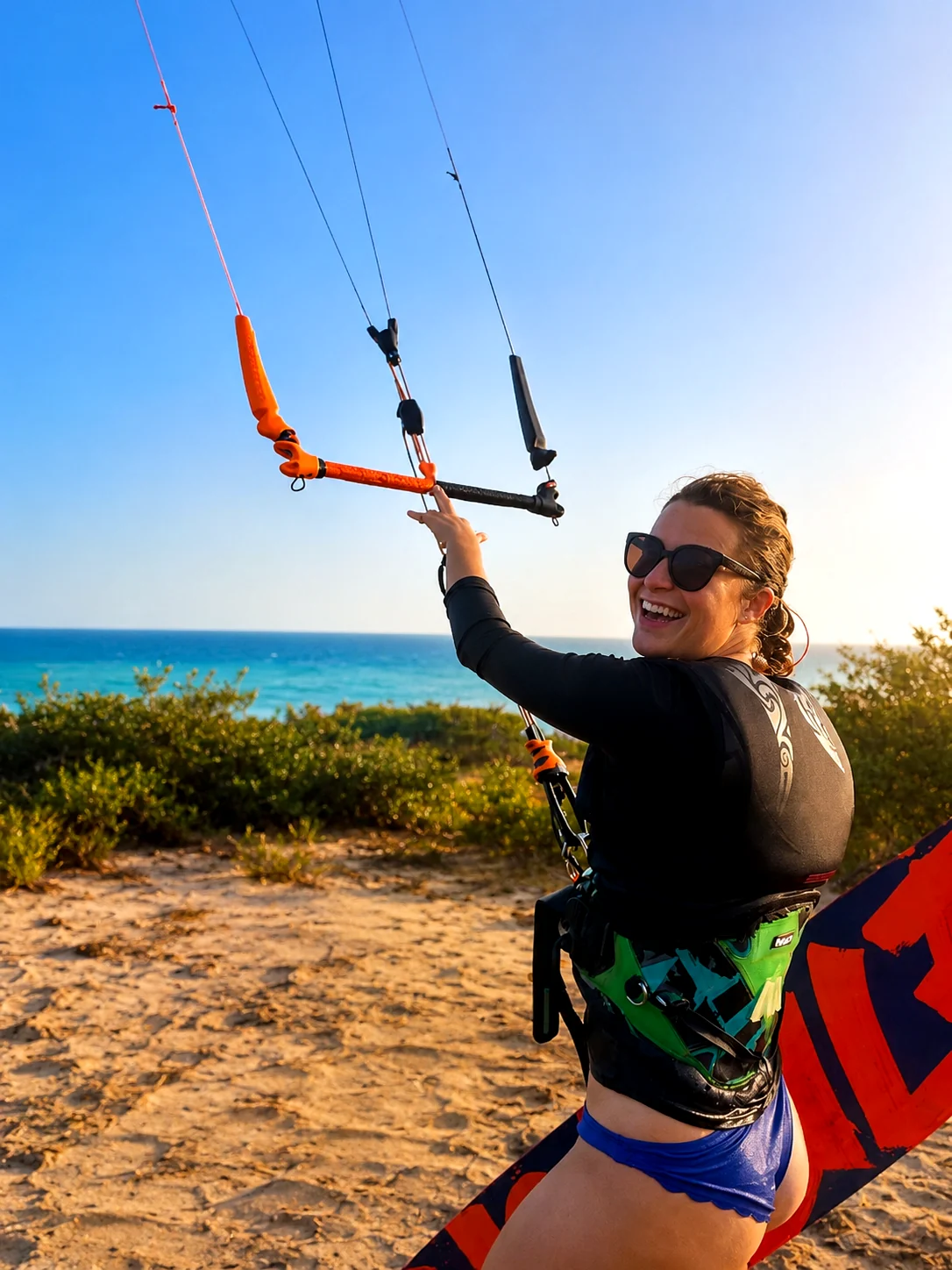
Why This Island Works So Well for Beginners
Sri Lanka has become one of Asia's best-known kitesurfing destinations, and Kalpitiya is the main reason why. The area has lagoon conditions, warm tropical water, and two main wind seasons that attract both beginners and experienced riders.
For beginners, the lagoon matters. You do not want your first lesson to be in big waves with deep water and strong shore break. You want space. You want flat water. You want an instructor nearby. You want to understand the kite without fighting the ocean at the same time.
That is why Kalpitiya Lagoon is such a strong beginner spot. It offers flat-water conditions and areas used for lessons, while still giving more experienced riders enough space to progress.
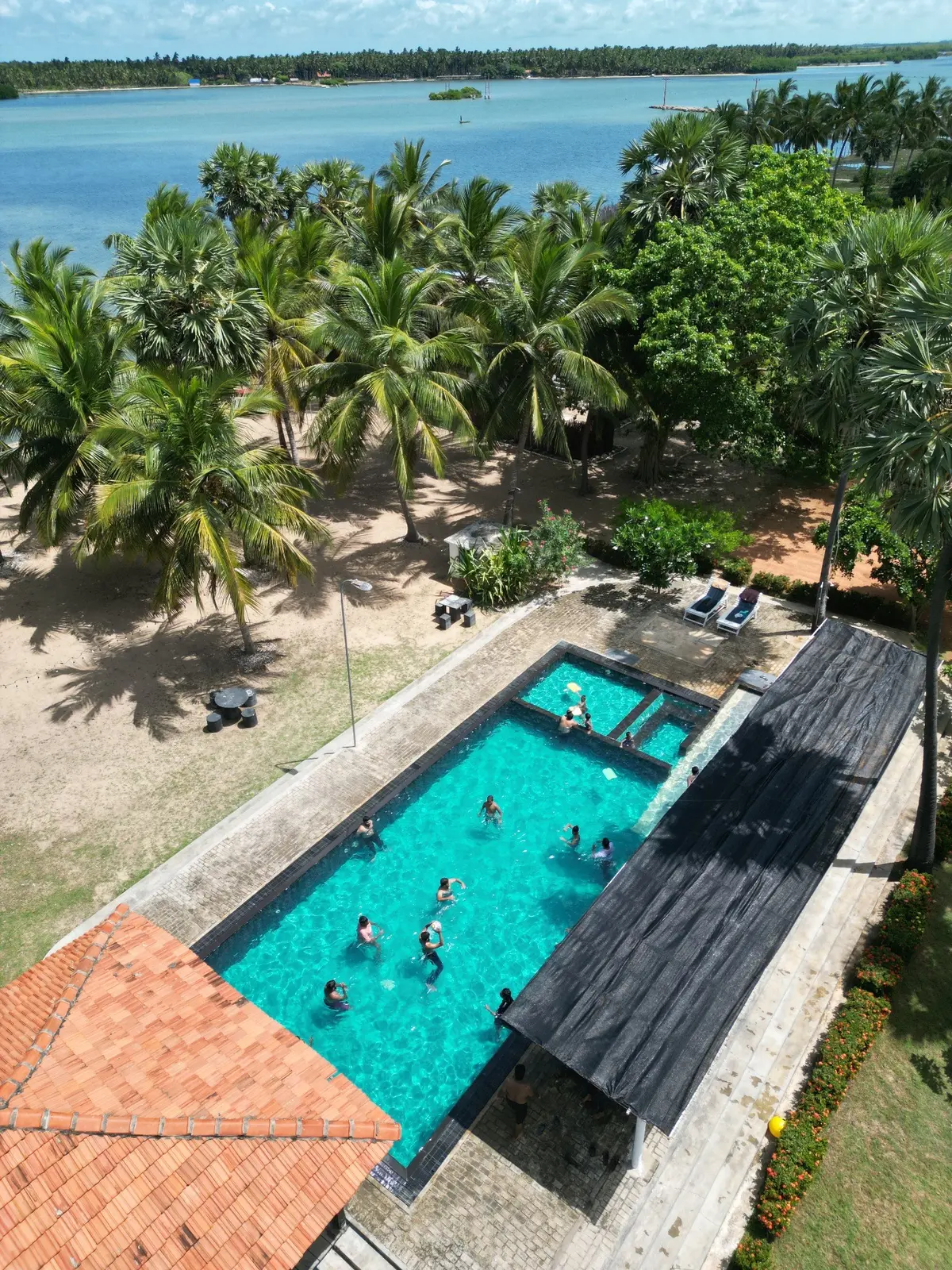
At Valampuri, the experience is calmer than the usual "kite camp only" setup. You are not just staying somewhere because it is close to wind. You are staying lagoon-side, with a pool, garden, seafood restaurant, sunset deck, and enough space for the non-kiting part of the holiday to still feel like a holiday.
That difference matters more than people think.
Is It Hard to Learn?
Kitesurfing looks impossible from the beach. Someone is flying across the water, the kite is high in the sky, the board is skipping over the lagoon, and your first thought is probably, "There is no way I can do that."
But beginners do not start there. A proper beginner course usually starts with wind awareness, kite control, safety systems, body dragging, relaunching the kite, and only later water starts with the board. IKO's beginner learning structure includes key skills like kite power control, water relaunch, self-rescue, body dragging, and board recovery. If you want the milestone-by-milestone timeline, see how many hours it takes to learn kitesurfing.
So no, you do not need to arrive knowing how to ride. You need patience, a willingness to listen, and a sense of humor when the lagoon wins for the fifth time that day.
Most beginners find that kite control is the real foundation. The board comes later. Once you understand how the kite pulls, turns, powers up, and depowers, everything starts to make more sense. Slowly. Then suddenly.
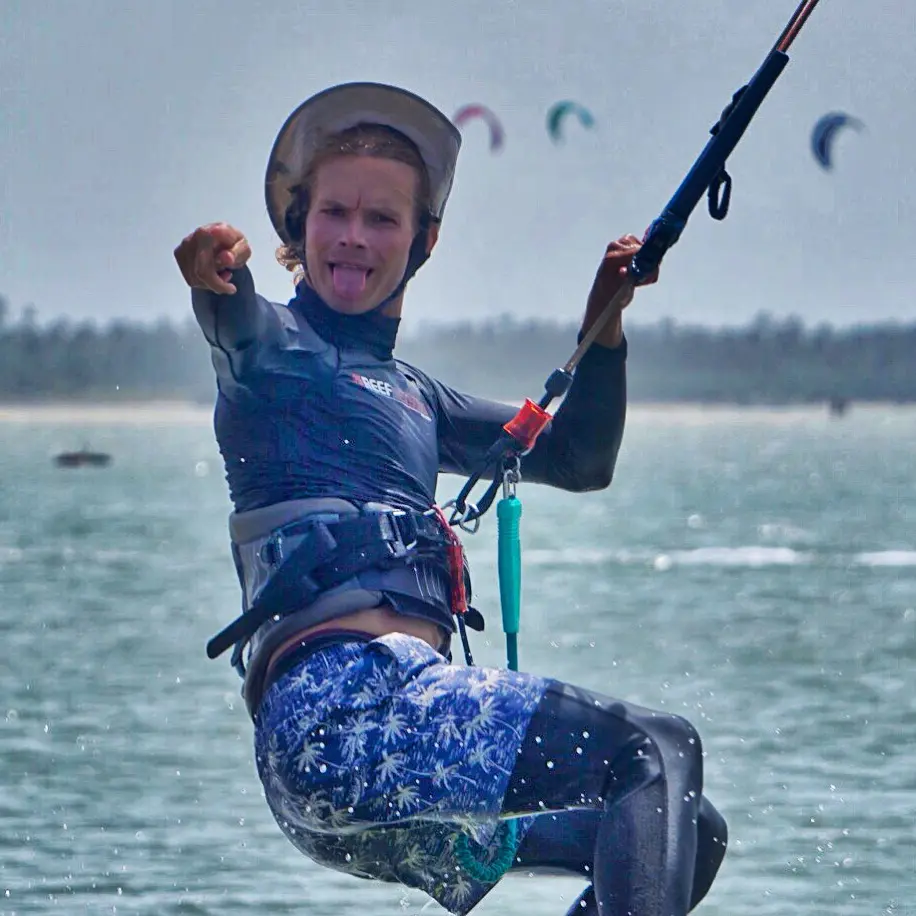
Do You Need to Be Fit?
You do not need to be an athlete. This is one of the biggest misunderstandings about kitesurfing. People think it is mostly arm strength. Actually, good kitesurfing is more about technique, body position, kite control, and balance.
That said, you should be comfortable in water and generally healthy enough for a physical outdoor activity. You will walk, swim, float, relaunch the kite, and spend time in the sun and wind.
A beginner lesson can be tiring, but not in a gym-bro way. More like, "I used my whole body and now dinner tastes amazing."
At Valampuri, that works nicely because after the lesson you are not stuck on a busy roadside or a loud beach strip. You can come back, rinse off, sit by the pool, eat proper seafood or rice and curry, and let the day slow down. Which is honestly half the magic.
Best Time of Year to Start
Sri Lanka's main kitesurfing area, Kalpitiya, has two useful wind seasons:
| Season | Typical months | Best for |
|---|---|---|
| Summer wind season | May to October | Stronger wind, progression, kite trips |
| Winter wind season | December to March | Softer tropical holiday feeling, beginner lessons, lagoon days |
Different schools describe the exact months slightly differently, but the common pattern is that Kalpitiya's main kite seasons fall around May to October and December to March.
For beginners, both seasons can work. Summer usually has stronger wind, which can be great for consistent lessons. Winter can feel a little softer and more holiday-friendly, especially for couples and mixed groups.
The low-wind months can still be beautiful for relaxing, food, nature, and lagoon life, but they are not always ideal if your main goal is to learn kitesurfing quickly.
So, if your dream is to ride during your holiday, come in season. If your dream is mostly to relax and maybe try a lesson, you have a little more flexibility.
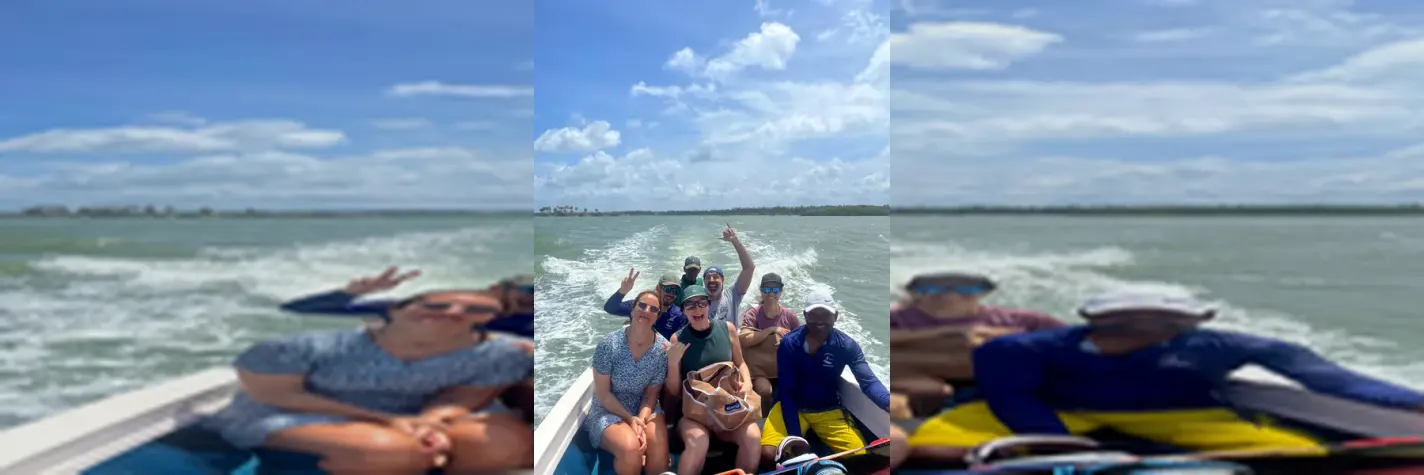
What Happens in a Beginner Course?
A good beginner course does not throw you straight onto a board. That would be chaos. Funny chaos, maybe, but still chaos.
You usually move through stages like this:
1. Wind, safety, and equipment
You learn how the wind works, where the kite has power, how the safety system works, and how to set up equipment properly. This stage can feel slow, but it is what keeps the rest of the course safe.
2. Kite control on land or shallow water
You learn how to steer the kite, control the power, and understand the wind window. This is where most beginners realise the kite is sensitive. Tiny movements matter.
3. Body dragging
Body dragging means using the kite to pull yourself through the water without the board. It is an important beginner skill for control, confidence, and later board recovery. It also makes you feel like a confused superhero for a while.
4. Water relaunch and self-rescue
You learn how to relaunch the kite from the water and what to do if something does not go as planned. This is not the glamorous part, but it is one of the most important parts.
5. Water start and first rides
This is the moment most beginners are waiting for. You put the board on, position the kite, let the power build, and try to stand up. At first, you might only ride for two seconds. Then five. Then twenty. And then suddenly you understand why people travel across the world for this sport.
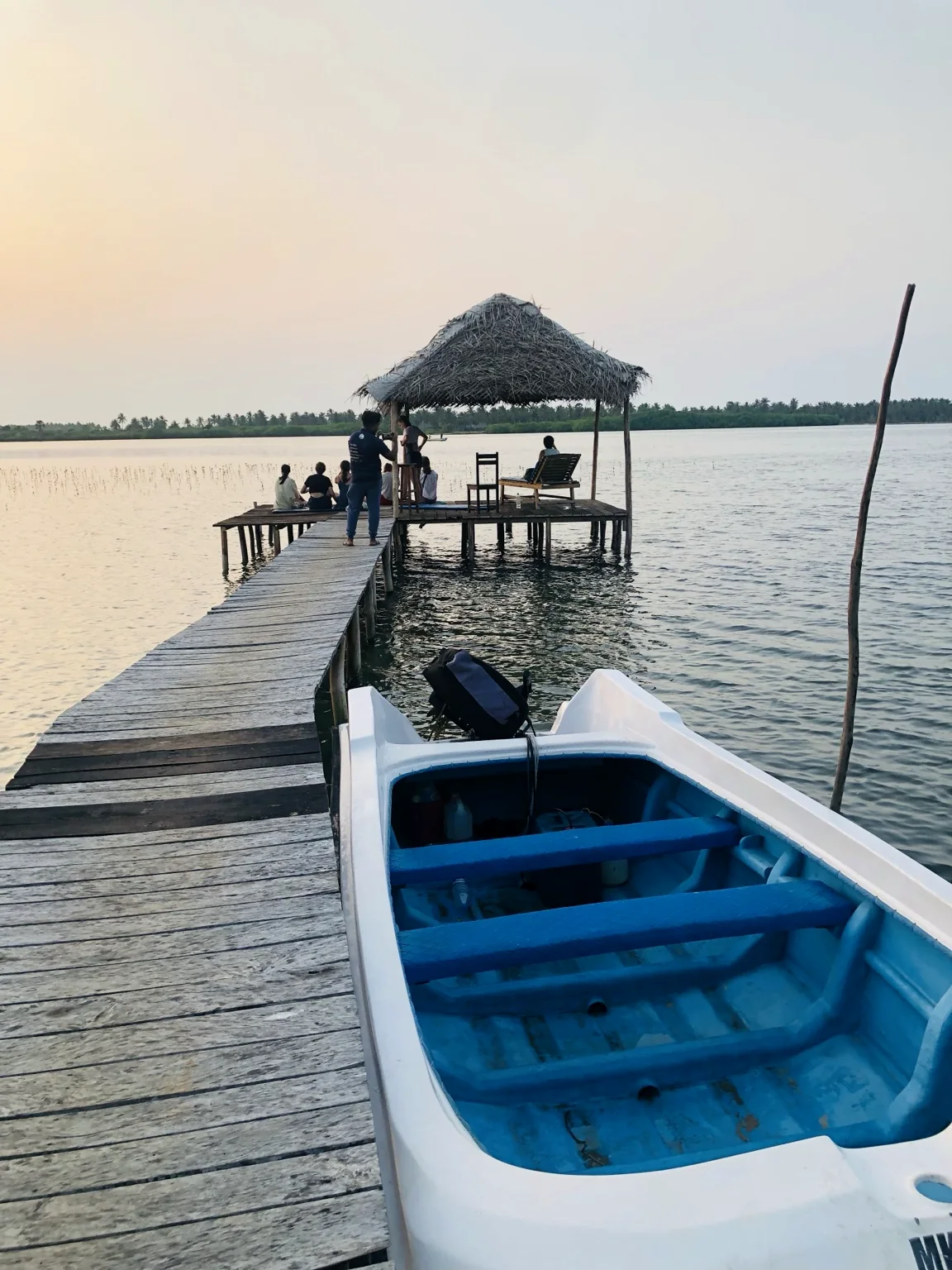
How Many Days Do You Need to Learn?
For most beginners, 2 to 4 days is a realistic starting point. A short course can give you the basics: safety, kite control, body dragging, and maybe your first attempts with the board. A longer course gives you a better chance of actually riding and feeling independent.
But kitesurfing depends on wind, energy, and your learning speed. Some people progress quickly. Others need more time. That is completely normal.
This is why staying at a calm resort instead of rushing from hotel to kite spot every day helps. You can learn, rest, eat, swim, and try again the next day without feeling like the whole holiday is only one big lesson schedule.
What If My Partner Does Not Kitesurf?
This is where Valampuri's position is different. A lot of kite holidays are designed only for the kiter. That sounds fine until you travel as a couple and one person is excited about lessons while the other person is thinking, "So what am I supposed to do all day?"
At Valampuri, the non-kiter does not have to feel stranded. While one person learns to kitesurf, the other can enjoy:
- The swimming pool
- Fresh seafood and Sri Lankan rice and curry
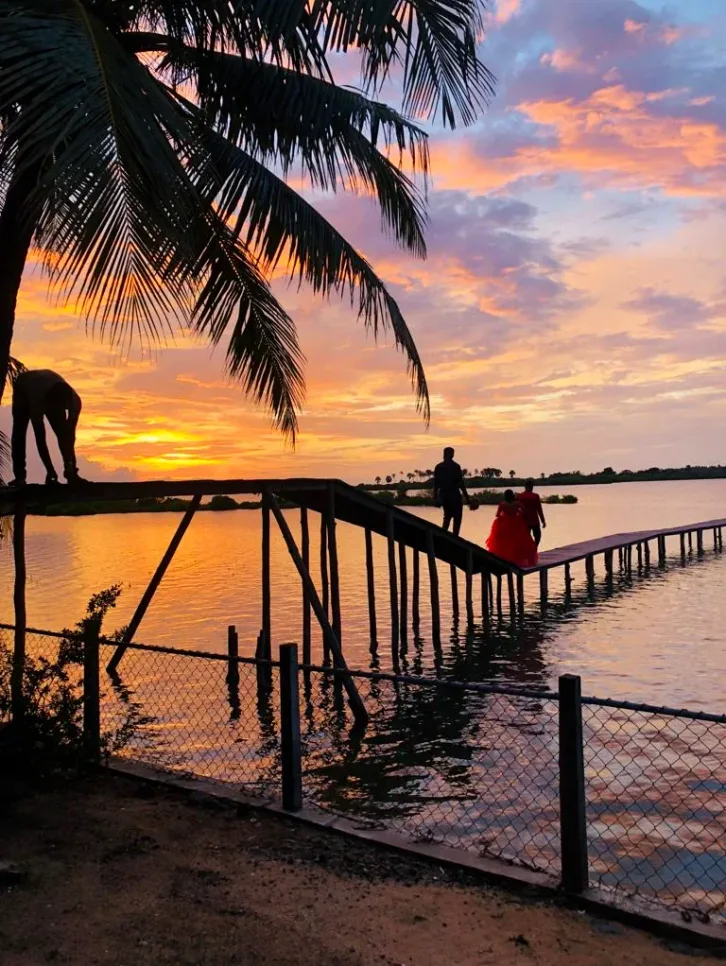
- Lagoon views and sunset deck
- Coconut garden and quiet nature
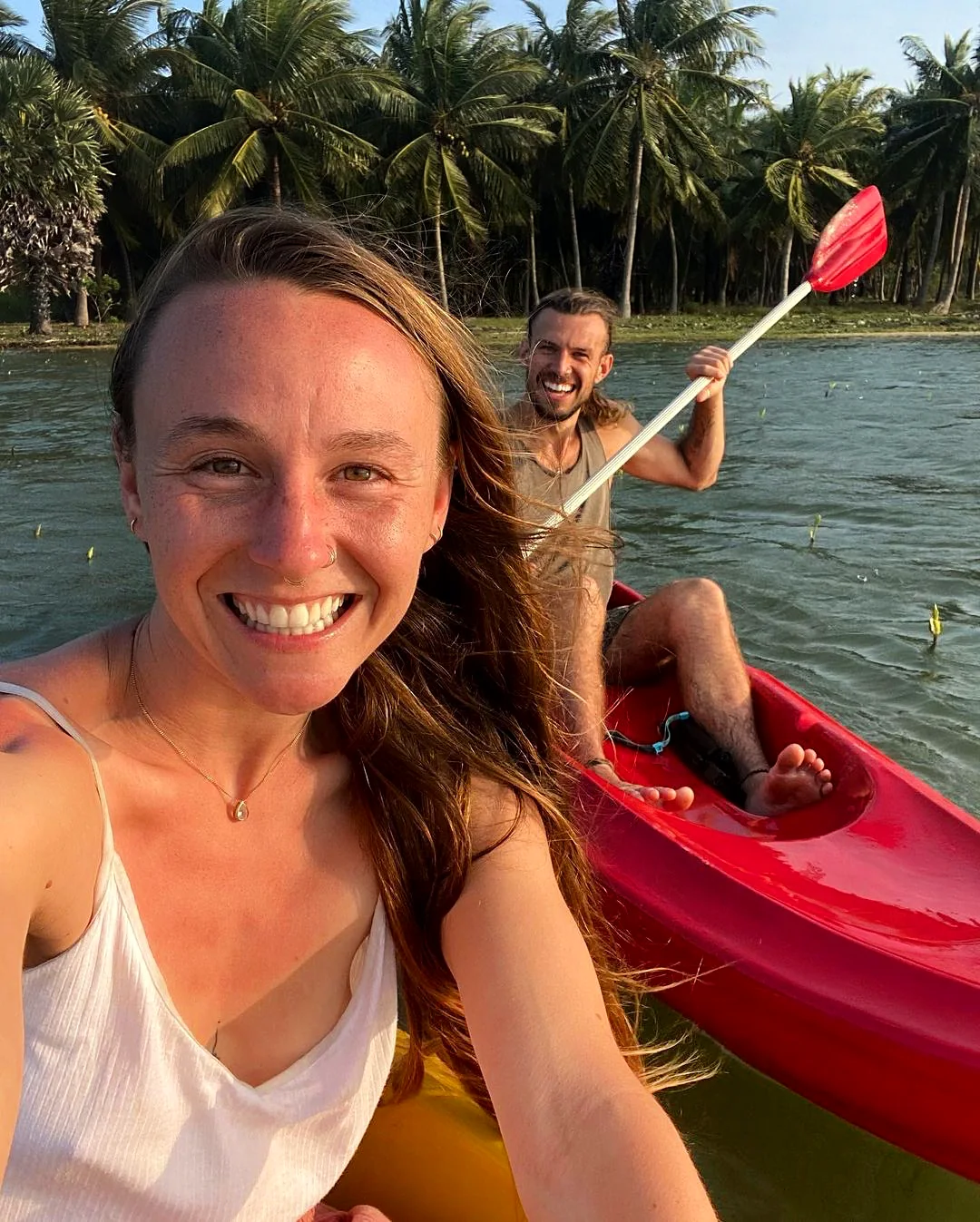
- Kayaking or lagoon time
- Dolphin watching in season
- Reading, resting, doing nothing properly
And doing nothing properly is underrated.
This is especially good for couples where one person wants a physical challenge and the other wants a slower, softer holiday. You can spend part of the day separately, then meet again for sunset, dinner, and the usual "you should have seen me almost ride" story.
It keeps the holiday balanced. Not too intense. Not boring. Just enough movement and calm.
Why a Lagoon-Side Resort Beats a Regular Camp
A kite camp can be great if everyone in your group is there only for kiting. But if you are a beginner, a couple, or a mixed group, you may want more than wind.
A lagoon-side resort gives you a softer landing. You have the kite school, but also the holiday atmosphere around it. That means your day does not collapse if the wind is light, if your body needs rest, or if your partner prefers the pool to the board.
At Valampuri, the idea is simple: learn when the wind is right, rest when your body asks, eat well, watch the lagoon, and let the place do some of the work.
That is a better rhythm for many beginners. Because kitesurfing is already new enough. Your accommodation should not make the holiday harder.
Is It Good for Couples Where Only One Rides?
Yes, especially if you choose Kalpitiya and stay somewhere that works for both people. For the beginner kiter, Kalpitiya offers flat lagoon conditions and seasonal wind. For the non-kiter, the resort experience matters: pool, restaurant, nature, peaceful spaces, and things to do nearby.
That is the sweet spot. A kitesurfing holiday should not feel like one person booked a dream trip and the other person came along as luggage.
The best version is different. One person learns something brave and new. The other person gets a real tropical break. Both people feel like the holiday was made for them.
That is exactly the kind of trip Valampuri is built for.
What Should You Pack?
Keep it simple. Bring swimwear, sun protection, sunglasses, comfortable light clothes, and something relaxed for evenings. A rash guard or UV shirt is helpful because you will spend time in the sun and wind. Some beginners also prefer water shoes depending on the lagoon conditions.
Most kite equipment is provided during kite school lessons, so you do not need to buy gear before your first course. Actually, it is better not to. Learn first. Then decide what gear you like later.
Common Beginner Worries
"What if I fall?"
You will. Everyone does. Falling is not a sign that you are bad at kitesurfing. It is basically the entry ticket.
"What if I am scared?"
That is normal too. A good instructor should not rush you. The first goal is not to look cool. The first goal is to feel safe and understand the kite.
"What if I do not manage to ride?"
You still learned something. You learned kite control, safety, wind, water confidence, and maybe a little humility from the lagoon. That counts.
"What if my partner gets bored?"
That depends where you stay. At Valampuri, the non-kiter has a proper resort setting around them: pool, seafood, garden, lagoon, nature, and quiet corners to relax. That is the whole point.
So, Should You Go for It?
You should learn to kitesurf in Sri Lanka if you want a holiday that feels active and natural. It isn't polished in a fake way, and it isn't another beach trip where every day looks the same.
Kitesurfing gives the holiday a story. You arrive as someone who has never controlled a kite before. You leave with salt in your hair, sore legs, a few funny failures, and maybe your first ride across the lagoon.
And if your partner does not kite? They can still have a beautiful holiday.
That is the real advantage of learning at Valampuri: one person can chase the wind while the other enjoys the calm. Then both meet again at the end of the day, somewhere between the pool, the seafood, and the sunset.
Not a bad way to learn something new.
Ready to learn to kitesurf in Sri Lanka?
Stay lagoon-side at Valampuri, with beginner-friendly lessons, a pool, seafood, and space for non-kiters to enjoy the holiday too.
Plan Your Kite HolidayFAQ
Can I learn to kitesurf in Sri Lanka as a complete beginner?
Yes. Kalpitiya Lagoon is one of the better beginner spots in Sri Lanka because of the flat water and seasonal wind. At Valampuri, beginners can start with structured lessons and return to a relaxed resort setting after the session.
Is Valampuri good for couples if only one person kitesurfs?
Yes. This is one of the best reasons to stay here. One person can learn or ride while the other enjoys the pool, seafood, lagoon, garden, nature, and slow resort atmosphere.
Where is Valampuri located?
Valampuri is in Kalpitiya, Sri Lanka, beside the lagoon and close to the main kitesurfing areas.
When is the best time to learn kitesurfing in Sri Lanka?
The main wind seasons are usually May to October and December to March. Summer is stronger, while winter can be a little gentler depending on the conditions.